Wednesday, August 23, 2006

Grassland school progress


星期一晚上收到西珠的电话,说已经收到我们在香港筹到的经费了.
他说很感谢我在香港的朋友,
我说只要他能好好运用这毕(少少的)经费,
让学校建设工程顺利进行,那就是最好了.
[其实要完成整个工程还欠一些经费呢]
西珠说他第二天便会赶回老家,几天后要赶回寺里开学.

十一月的时候正打算去夏河看小活佛坐床仪式,到时候看看能否顺道去一躺草原.
看看这个学校的情况...

On Monday night, I received a phone call from Sherap, and said he's already received the money transfer I gathered from here. He said he was feeling so thankful and I reminded him that as long as he spends the (small amount) funding wisely , and enables the construction to go smoothly, that will be all he needs to do.
[actually funding is still running short to complete the whole constrcution of the school!]
Sherap said he will travel home the next day for the construction inspection as he would need to rush back to the monastery for the new classes which starts very soon.

In the coming November, there is a plan of visiting Labrang to see the enthroning ceremony of this new Rinpoche. If there is enough time, let's see whether a trip to the grassland school is possible...

Monday, August 21, 2006

letters continue

My letter to Sherap:

我会叫我的朋友把钱转给你那天之前和之后给你打电话的.
十一月的事情现在还不能决定.到时候再看看吧..
我的时间也可能会有点赶..

你也用功学习啊
不要被寺罚啊!

:)
美琪


[translation]

I will ask my friend to call you before he transfer the money to you.
Still not sure about the November visit plan, will update you when the time comes.
as my time is a bit tight.

well, you should also work hard!
Don't get punished by the monastery!

Maggie
------------------------------------------
Sherap's reply:

好的,谢谢您美其姐,我会努力学习的您放心吧,我收后我要回家看看学校,爸说窗和门都做好了
我要过去看看.下个7月分在寺里开始学些东西.


保重;
西珠


[translation]

Sure, thanks Maggie, don't you worry, I will work hard. After I receive the money, I will need to go home to see the school. Dad said the window and the doors are all made. I need to go back and have a look. Next month (7th month under lunar calendar) there are some new learning in the monastery.

Take care
Sherap

Friday, August 18, 2006

Letters

"原来是牛羊..."
" Oh Is the Yak and mutton"


-----------------------------------------------------
My letter to Sherap:

西珠

记得把你工商银行的卡号在电邮发给我..
我那位在深圳工作的朋友要到下个星期才有时间帮我到深圳的工商银行把钱发给你.
希望这么的一些钱能帮到你们盖学校吧...

还有,围墙有必要吗? 是不是保安的因素?

美琪


Sherap

remmember to let me know your bank account no.
My friend who works in shenzhen can help me to transfer the money to you next week.
I hope the money can help your school construction...

Also, is the fencing wall necessary? is it for security purpose?

Maggie
------------------------------------------
Sherap's reply:

您好!

美其姐!我的卡号是(中国工商银行夏河县支行,9XXXXXXXXXX 这样就可以了谢谢您
牛羊也会进来的,因为有了院墙一方面卫生二方面安全,暫时没办法这能等段时间才可以做起来.
今年十一月分的时候您能去就太好了,不过那时候气候太冷您也知道的,每年最好的气候是四月二十直
八月这时间是最好的.

保重;

西珠


How are you!

Maggie, here is my bank account no. (China gongshang bank... just like this.. thanks)
Yak and mutton would come in. So with the fencing wall, one reason is for hygiene, another is for safety, now cannot do much, so just need to wait for it to be built later then.
It will be great if you can come this November, but it's gonna be cold by then as you have already known. The best weather is usually from April to August.
August is the best.

Take care;

Sherap

Monday, August 14, 2006

Monk friend "Sherap"


Old post about Sherap, a monk friend from Labrang:
http://meikei.blogspot.com/2006_02_01_meikei_archive.html

Saturday, August 12, 2006

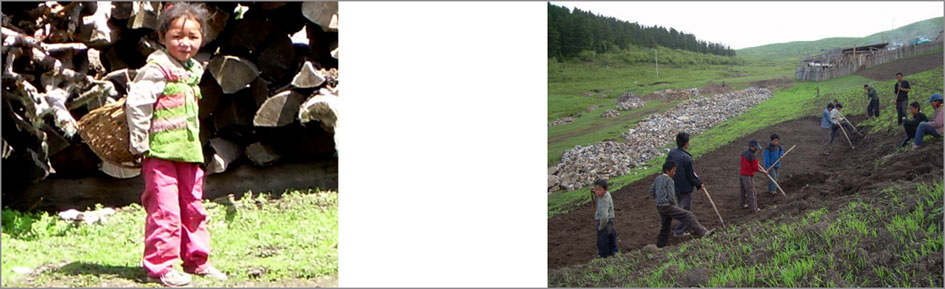
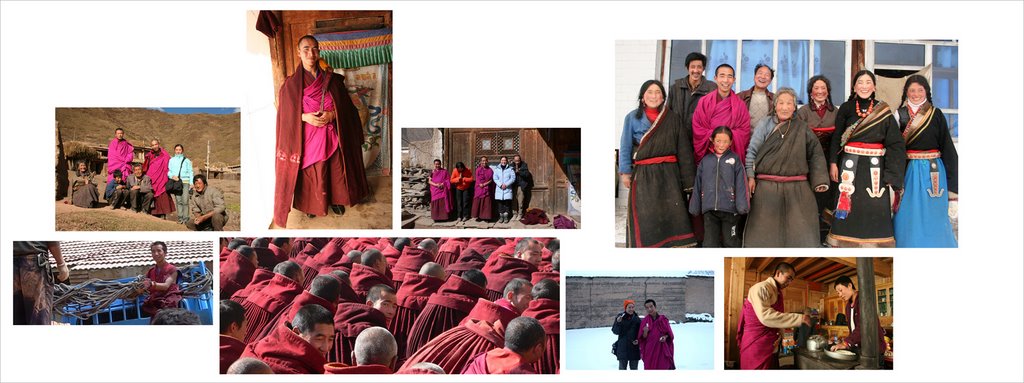
在草原上兴建小学


我在拉卜楞寺认识的喇嘛朋友西珠正在他的草原老家兴建一所小学,好让村里的小孩不会失去上学的机会.

这是七月夏天草原的境况,村民正在把工地弄平,石头和砖都搬过来了. 草原的景色跟我上一次二月份去的时候真的是很大的分别. 那时候天地都是雪白一片.现在草地上布满小黄花.

他们还是很缺建筑材料的经费.如果您有兴趣给他们一点的帮助,请别忘了告诉我!多少也感谢万分啊!

The above photos show the latest progress of the school building project organized by my Labrang monk friend "Sherap" at his grassland hometown in July. The villagers have been working on leveling the site, as well as collecting stones from the near by area. Materials such as bricks have been transported to the site; however they are running out of financial help in buying all the necessary building material. If you may want to support his project, please contact Sherap or let me know. :-)

[Village views during winter/ 冬天的境况: http://meikei.blogspot.com/2006/04/blog-post_29.html ]

Below shows e-mail from Sherap 西珠 on 13.08.06:

您好! 美其姐!

真不好意思昨晚没回邮件,因为昨晚没电. 我刚刚看到了文件写的很好谢谢您.

在家乡那边弄地平的这些都是我自己找亲戚和朋友帮我的,第一次回家的时候他们都说弄地和木料还有石是头这些说帮我,到时就变了都没了.

现在这能靠亲戚和朋友们,而且砖也涨价了到那儿每个砖4角2分没想到这么贵现在有点难处,可是我不会放弃的一定要该起来让这些小孩得到点文化这就是我这辈子最大愿望.


保重; 西珠

Translation of the e-mail:

Hi, Maggie sis

Please excuse me for not replying your mail last night as the electricity was out. I have just seen the document you wrote about the school, thank you so much.

At the hometown works such as leveling of the site were all done by my relatives and friends. When I went home the first time, some villagers promised to help on the foundation works as well as gathering the timber, but everything have changed when I went back this time.

Now, I can only rely on relatives and friends, also the price of bricks has increased to 42cents each. I never thought it would be that expensive. Now there are some difficulties, but I won’t give up. I must get this school built so that the children here can be cultivated as this is my biggest life long wish.

Take care; Sherap

Wednesday, August 09, 2006

Location of Gunkanjima


Hashima Island (端島; meaning "Border Island"), commonly called Gunkanjima (軍艦島; meaning "Battleship Island") is one among 505 uninhabited islands in the Nagasaki Prefecture 長崎県, about 15 kilometers from Nagasaki 長崎市, itself.

Monday, August 07, 2006

"Gukanjima - View of an Abandoned Island"


軍艦島 Gukanjima __in Japan


远看像軍艦!!!!

其实"她"本身是一个大珊瑚瞧. 1810年因发现石油而成为一个开发的人工小岛. 直到1974年开发完毕,所有居民撤离...

就这样一直荒废.被遗忘了...

整个小岛的建设还在,甚至很多日常生活的物件, 像是时钟停顿了三十年..最近才有人去拍照..

看看照片很精彩..


2000


1970s


Off the westernmost coast of Japan, is an island called "Gunkanjima" that is hardly known even to the Japanese. Long ago, the island was nothing more than a small reef. Then in 1810, the chance discovery of coal drastically changed the fate of this reef. As reclamation began, people came to live here, and through coal mining the reef started to expand continuously. Befor long, the reef had grown into an artificial island of one kilometer (three quarters of a mile) in perimeter, with a population of 5300. Looming above the ocean, it appeared a concrete labyrinth of many-storied apartment houses and mining structures built closely together. Seen from the ocean, the silhouette of the island closely resembled a battleship - so, the island came to be called Gunkanjima, or Battleship island.

I was twenty-two when I first visited the island I had dreamed about ever since childhood. Much like a fortress built upon the sea, surrounded by high walls,the island possessed an air of a small kingdom, where its denizens boasted "There is nothing we don't have here." They were right. They did have everything within their miniature kingdom - except a cemetery. But, the irony of it was proven by the passag e of time. Already, the island had been doomed to turn into an enormous graveyard.

Eventually, the mines faced an end, and in 1974 the world's once most densely populated island become totally deserted. The island, after all its inhabitants departed leaving behind their belongings, became an empty shell of a city where all its peopl disappeared overnight, as if by some mysterious act of God...

excerpt from web site: http://www.ne.jp/asahi/saiga/yuji/gallary/gunsu/g-text-e.html

more photos from web site: http://www.ne.jp/asahi/saiga/yuji/gallary/menu-e.html

Sunday, August 06, 2006

after typhoon

Tuesday, August 01, 2006

2 times X grassland village

same shots- 2 times


2006_Feb

2006_July

This is a grassland village that I visited in february in southern Gansu near my research site. It's the home town of my monk friend from Labrang monastery. The villagers are building a new (first) primary school at the grassland now. He just sent me some photos taken last month (July). And here comes an almost identical shots. What a big difference. I wished I could go ther now and pitch a tent for summer picnic.

clear water


"Clear water bay-bay 01" 's water is really much clearer than Shek O's water..
a nice beach if you are looking for a real swim in clear water
:-)

Wednesday, July 26, 2006

Shek O's Sophie


認識了Sophie很久了.

[打電話是這樣叫她: Sop-Pphiee 把尾音拉長 或叫她 Soph]

我們一起在墨兒本讀大學.是已經認識了十幾年了好友.由當初Year 1那時戰戰兢兢對自己,還有自己的英語能力沒什麼自信,到後來我們一起在巴黎和Amsterdam當背包客, 還有和她與其他同學去了幾趟那個讓我學懂騎單車是什麼一回事十天單車團 (Great Victorian bike ride),當然還有很多很多其他的..

S的個性很強,也不是一般的Aussie,可能是因為她有兒時在法國長大的經歷,還有她的一半東歐(Cezh)的血統吧.

我們不是常常見面聊天的.但每過一陣子,我們便會聊天,也會是比較深入交心的談話.
S幾天前來了香港住了幾天, 下一站是芬蘭的Alvar Alto conference.

上一次S來香港的時候正好是四年前,也正是世界盃時期.那時的我和我身邊的人和事跟現在的已經有些不同了.

期望下一次再見到她時,我兩再一次互相說說笑笑大家萬變的狀況…

Friday, July 21, 2006

Wednesday, July 12, 2006

Listening "double vie" on a summer full moon night


Have only watched "The Double Life of Veronika" 兩生花 on vedio 10 years ago. It's gonna be quite an experience watching it in theatre (from the 1st row) tomorrow night. As it has always been on my list of favourite, both the film and the music.

Film festival web site
http://bc.cinema.com.hk/adhoc/krzysztof_kieslowski/movie_double.html

Film festival trailer
http://bc.cinema.com.hk/adhoc/krzysztof_kieslowski/festival.html

The music is very good too.
The soundtrack of Kieslowski's film "The Double Life of Veronika"
http://www.amazon.com/gp/product/B00000G5VW/104-2736949-3228763?v=glance&n=5174

----------------------------------------------------

The Double Life of Veronique
La Double Vie de Veronique


1991-France/Poland-Romantic Drama/Psychological DramaN.Y. Times Review by Caryn James

PLOT DESCRIPTION

The Double Life of Véronique is the story of two young women who are -- in some mysterious and irresolvable way -- the same woman leading two different yet interconnected lives. Those familiar with Polish director Krzysztof Kieslowski's later "Three Colors" trilogy of Blue, White, and Red will recognize his fascination with accidental happenings and chance encounters, as well as Irène Jacob (from Red) whose performance as both Veronika and Veronique won the 1991 Cannes Film Festival award for best actress. Veronika and Véronique are born on the same day in 1966, one in Poland, the other in France. They grow up separately, unaware of each other's existence, but with the vague and rarely expressed feeling that they are "not alone." The story begins in Poland, where Veronika (like Véronique) is a talented vocalist and music student who wins a prestigious singing competition and is given the chance to perform with a local symphony. On the night of the concert, while singing a duet onstage, Veronika loses consciousness and dies. Véronique is emotionally wounded by the loss of her double and decides to end her singing career. The film charts the effect of Veronika's death on Véronique and on her dispassionate and unsatisfying relationships with men, especially her father. She is led to puppeteer and children's book author Alexandre Fabbri (Philippe Volter), whose puppet shows and stories are dramatic variants on her own mysterious problem. While looking through photographs of Véronique's trip to Poland, Fabbri discovers a picture of Veronika walking through a student demonstration in Kracow. He shows the picture to Véronique, who intuits the significance of Veronika's perfect likeness to herself. ~ Anthony Reed, All Movie Guide

Friday, July 07, 2006

出三峽


這兩天在讀朋友W給我介紹的[出三峽記].她把書借給我的時候估計沒有錯.我真的很喜歡這本書,而且把書一早還給她,原因是看到有一本擱在學校書店的書架上, 沒多想便把書買下來了.

作者晉永權現工作於<<中國青年報>>,於這五年內,走訪因為興建三峽水壩工程而被政府搬遷的居民.書內不只是圖片,而且有一個一個移民背後的故事.幸好作者也沒有過于煽情.而是從基層[grass root]反映出一個ground situation的狀態. 讓讀者去認識一些代表了十六萬三峽移民戶的生活歷史. 其中牽動著:社會,宗族,家庭,集體記憶…

因為還沒讀完.過幾天讓腦袋好好清理.再多寫點…


[出三峽記]
作者晉永權
北京三聯書店出版 2006年


Have been reading this Chinese book called出三峽記 chu sanxai ji [Noted on Emigration from the Three Gorges] the last two days. It was recommended by my friend W. Her guess was right when she lent it to me that I would love it so much. At the end I returned the book to her the next day as I found one selling at the university book store. I’ve got to have my own copy.

The author currently works at the中國青年報Chinese Youth News. In the past five years, he had visited towns and villages at the three gorges where they will be flooded because of the super dam project. He has met different people throughout his visits. In the book, there are not just photos but also one after one story of these emigrants. Fortunate enough, the author wasn’t a sensationalist. He shows an honest voice to describe these emigrants from a grass root level. The numbers of stories being told here enable the readers to get closer to these one hundred and sixty thousands emigrants, about their living history. And then it’s all about society, family lineage, home, and collective memory.

Still got half of the book to be finished shall drop a few more words later.

Monday, July 03, 2006

Matthew Barney's Drawing Restraint 9


The core idea is the relationship between self-imposed resistance and creativity, a theme it symbolically tracks through the construction and transformation of a vast sculpture of liquid Vaseline, called “The Field”, which is molded, poured, bisected and reformed on the deck of the ship over the course of the film.

Trailer of the documentary film on the making of "Drawing Restraint 9"
http://youtube.com/watch?v=wN3TohDaoCQ

Bjork's music for the film:
http://unit.bjork.com/specials/dr9/

reviews include trailer of the film "Drawing Restraint 9":
http://www.boston.com/movies/display?display=movie&id=8782

more info on Barney's Drawing Restraint series:
http://www.drawingrestraint.net/

Thursday, June 29, 2006

The Bandquet 夜宴


[夜宴]

凶煞之夜,厉帝大摆贺宴。婉后献上了毒酒,青女献上了歌舞。他的谋臣,觊觎着王位,静观其变。这座旷世的宫廷里,权力与欲望的争夺已然拉开序幕。

showing this September! should be a great film!


http://www3.cinema.com.hk/revamp/html/list_detail.php?lang=c&movie_id=2508
http://ent.sina.com.cn/f/thebanquet/index.shtml

Tuesday, June 27, 2006

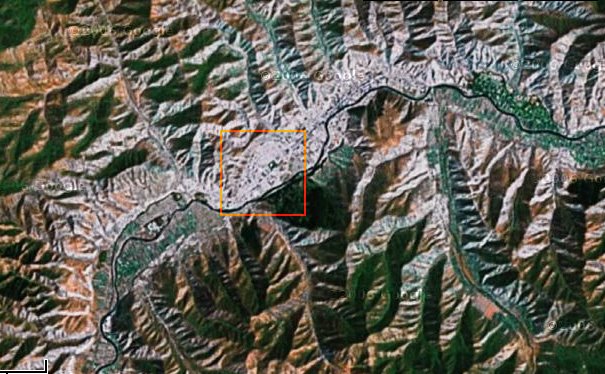
Labrang monastery 拉卜楞寺 from above


Just found this from google earth today, the search engine doesn't regonise any place name in China except beijing, so, not even Lanzhou.
Playing detective, it took us awhile to find Lanzhou first through Qinghai Lake (the big lake appear on the China map), then we traced the river and another "water hole" the Liu Jia Xia (lake) all the way down south.
At the end we arrived this valley and from a first glance, I knew that's it. It's the Labrang I have come to known for the last 3 years.
Bravo!! To my collegue W, who have helped me on this operation!

Saturday, June 24, 2006

me and you and eveyone we know


me and you and eveyone we know 你,我,他她他

What a poetic film about contemporary little people in the contemporary world!
No drama, no hero...they are real people far from perfecto...
Is a film that I enjoy every moments. Is a kind of warmth feeling that make you feel very happy afterwards.
Do watch it on big screen if there is chance.

http://www.meandyoumovie.com/
http://www3.cinema.com.hk/revamp/html/list_detail.php?lang=c&movie_id=2466


Tuesday, June 13, 2006

邊看世界盃邊做瑜珈 why not!!!


please notice no. 5 is especially suitable for the World Cup month.

so try it out!

Friday, June 09, 2006

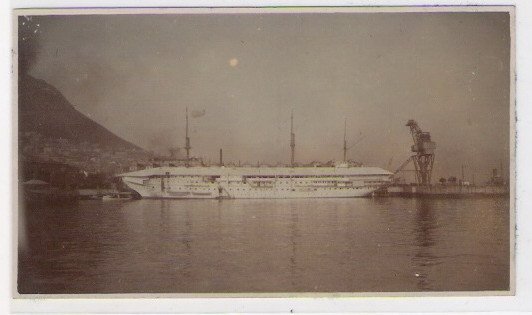
龍應台說添馬艦


20 年代添馬艦戰艦老照片


有關上星期五龍應台的講座,在網上找到了她的講議,索性把它放在這裏.
那天座無虛席, 有港大校長,也有議員.
很欣賞龍應台的講話的風範,是柔和但也字字有力,有根據.她能把複雜的課題慢慢跟聽者介紹. 會用一些市民親切的例子作比較,讓聽者能有很靠近的感覺.不會覺得課題遙不可距.而且她也不失幽默的一面.

------------------------------------------------------------------

誰的添馬艦——我看香港文化主體性
2006年6月5日

【明報專訊】我知道「作客人要有禮貌」。我知道我「不是香港人,所以不懂香港」。我完全承認「你們台灣更糟糕」。所以,講這個題目還真的「我有壓力」,套一句「巴士阿叔」的真情告白。但是,我也相信香港人的開闊,容得了善意的直率。

■添馬艦有故事
「添馬艦」這個名詞的來源是什麼﹖我問了10個香港人,發現10個香港人都不知道。
於是做了些研究。添馬艦,HMS Tamar,是英國海軍一艘軍艦,建造在1863年──太平天國鬧得正兇、美國正在打南北戰爭的時候。是一艘3650公噸的三桅運兵船,1897年以後,留駐維多利亞港內,成為駐港海軍的主力艦。在1941年的香港保衛戰中,日軍入侵,英軍退守港島,港府下令炸港內所有船隻以免為日軍所用,添馬艦也被炸沉。在一個海軍戰俘的網頁上,我找到那個奉命炸沉添馬艦的士兵的日記﹕

十二月十一日,海軍忙碌不堪。所有船隻都開往九龍,接駁撤退的部隊……十九點正,上尉下指令要我駛往昂船洲接運傷者。昂船洲已經被連續轟炸了二十四個小時。我運了三個擔架傷者,還有一些勉強能走的傷兵。二十一點,奉命炸沈添馬艦……夜特別黑,一點光都沒有,發射魚雷風險很大……我發射的第一顆魚雷,沒擊中。

在同一頁上,還有一個短訊,作者的祖父當年是添馬艦的水兵。她問的是﹕「我的祖父一直在添馬艦上,可是最後卻死在里斯本丸的災難中。六十年了,有誰可以告訴我他在添馬艦的生活﹖」
戰爭結束後,港府打撈添馬艦,一部分撈上來的木板,據說就做了聖約翰座堂的大門。
沉沒水底的戰爭殘骸,竟然轉化為仰望天空的的宗教情操。

一旦知道了「添馬艦」有這樣滲透血和淚的歷史以後,就很難對添馬艦保持漠然。
但是,為什麼大部分的香港人不知道這些歷史,彷彿不在乎自己的歷史呢﹖恐怕也不是天生的冷漠,而是因為在殖民教育中成長﹔殖民帶來物質成就和現代化,同時也剝奪被殖民者對於歷史的細微敏感和自尊自重。

■強勢政府,弱勢社會
今天的添馬艦,原來當然是海水,當年的軍艦添馬艦就停泊在這裏。填海之後,就是中環到金鐘海岸線核心區的一塊多出來的空地,以「添馬艦」為名,紀念香港悲壯的烽火歲月。在它「暫時無用」的幾年裏,添馬艦「意外地」成為香港的市民廣場﹕14,000個人在晴空下圍坐吃盆菜﹔5000個人聚在一起泡茶﹔4000個人在星空下肩靠肩一起看露天電影。這樣一塊「自由放任」的地,在講究精算的香港絕不可能長久。政府決定在這裏建總部。4.2公頃的地面上,2公頃要闢做「文娛廣場」,另一半要建4棟政府大樓,每一棟大約30到40層高。那到底是多大呢﹖總建築面積,相當交易廣場第一期和第二期總和。建築費用﹖52億。

在剛剛興起的添馬艦的辯論裏,讓一個旁觀者最覺不可思議的就是,這麼重大的、影響城市景觀和生態結構的工程案件,竟然可以如此輕易地「過關」。如果是在紐約,在倫敦,在柏林,在東京,甚至在香港人挺「瞧不起」的台北,
曾蔭權所提出的「添馬計劃」有太多問題會讓人大喊「未解決」,要窮追猛打了﹕

譬如問題一,為什麼
政府總部要搬遷﹖人均辦公空間是否真的「嚴重不足」﹖它的人均辦公空間「不足」是以什麼標準在衡量﹖跟其他城市的政府空間做過評比嗎﹖結果如何﹖跟民間的人均工作空間相比又如何﹖這些信息若是空白,它如何證明它的空間「不足」﹖

譬如問題二,假定數據證明空間確實「不足」,那麼高科技電訊溝通系統是否不能補足﹖當視訊、網絡如此發達而且一天比一天發達的時候,傳統的所謂「辦公空間」的需求是否應該有全新的定義﹖是否做過調查研究﹖是否充分舉證了科技亦無法補足空間需求﹖


譬如問題三,假定人均辦公空間的「不足」有了科學的證明,那麼究竟應該繼續租用私人商業空間,還是擴大原有政府設施,還是乾脆遷址新建,針對各種選項是否做過徹底的分析比較﹖3種選項的經濟效應、環境影響、永續發展的評估等等,是否可以攤開在陽光下供學界挑戰,請媒體監督,讓社會檢驗﹖

譬如問題四,假定前述分析比較的結果確實是遷址新建為優,那麼,哪一個地址最為適合﹖為什麼不是亟需建設的九龍東南﹖為什麼不是資源分配偏低需要關懷挹注的新界﹖為什麼不是使用率低得離奇的數碼港﹖為什麼不是廢棄已久的西環屠房﹖為什麼一定得是添馬艦﹖科學的理據和說服在哪裏﹖

譬如問題五,如果政府總部決定落在添馬艦,那麼九龍東南的規劃是什麼﹖那麼政府山古蹟群的未來是什麼﹖那麼新填海中環濱海長廊的具體規劃跟添馬艦之間的呼應關係是什麼﹖那麼西九龍又將如何﹖西環屠房要作何處理﹖

從政府已經披露的資訊來看,這些根本問題都沒有「一個蘿蔔一個坑」的答案,但是52億的款項,
立法會幾乎沒有異議。各黨派,除了公民黨,很快就不說話了。少數民間團體,只能要求政府在廠商提出標書之後,把模型拿出來展覽。政府既不需要回答對根本問題的追究──因為反正也沒什麼人在追究﹔也不必做任何白紙黑字的承諾。答應展出招標事後的模型,還強調這是「破例」,而且人民不能給意見,政府已經給人民很大「面子」,做了「讓步」了。
香港政府真的強勢有為。民間,也真溫順得可以。


■挖土機你為什麼這麼急﹖
我無意說,政府強勢一定不好。很多政府可能對香港政府充滿羨慕﹕預算超高(香港政府預算是台北的8倍),主導性超強,社會力超弱。強勢政府尤其喜歡在工程上展現魄力,因為工程是最容易看得見的政績。

香港政府的「勵精圖治」企圖是很明顯的﹕政府剛剛公布了中環新海濱規劃方案,宣稱要「締造令人嚮往的消閒休憩用地及海港和商業中心」,要「發展成為象徵香港的世界級海濱」。天星碼頭旁將興建3組商廈建築群,包括28層高的商廈、18層高的「無敵海景酒店」,以及9層高但是長400多米的「摩地大廈」。除了這「世界級海濱」之外,西九龍40公頃的工程在規劃推動中﹔添馬艦將有政府大樓群等等,還不必談及大嶼山的開發以及各種跨界大橋的規劃。

政府強勢不一定不好,但是,當我們面對一個「勵精圖治」的政府時,當強勢政府像一個巨大的挖土機在橫衝直撞時,社會不能沒有一個深思的心靈和長遠宏觀的眼睛。我們可能必須在轟隆作響、天翻地覆的挖土機前,放上一朵脆弱、柔軟、美麗的小花。
脆弱、柔軟、美麗的小花提醒的是﹕

城市規劃是牽一髮動全身的。

以維多利亞港來說,中環濱海長廊的建築,勢必整個改變 「香港的臉」──舉世聞名的浪漫維港景觀。想像你站到水中央,往維港四周緩緩做360度的觀覽,從西九、尖沙嘴、尖東、銅鑼灣、金鐘、中環、上環,一路流轉回到西九,維港的整體景觀,色彩、光影、山脊線與天際線的交錯,海港與建築風格之間的相輔相成諧調之美,是否有整體的預想呢﹖或者還是讓每一個海濱工程孤立的、局部的、偶然性依一時一刻之需而發展﹖

政府山的古蹟群,是香港唯一的一片完整殖民建築風格了,曾蔭權無論如何不願承諾保護,這些古蹟若是有一天剷除了,又變成以金錢計算平方呎的地產價值,香港人能夠忍受這樣對待自己的歷史嗎﹖如果保留了,添馬艦52億的大洞,你又如何填補﹖

如果這一切都還沒想好──那麼,挖土機啊,你究竟為什麼這麼急﹖

■香港跟誰比﹖
當主事者總是用「世界級」、「地標」、「香港精神」來描繪自己的「勵精圖治」的企圖時,我們能不能聽見一個小小的、安靜的聲音說,為什麼香港需要「地標」﹖「世界級」是跟誰比﹖比什麼﹖「香港精神」又是什麼﹖

西班牙的畢爾包怎麼能拿來跟香港比呢﹖畢爾包需要Frank Gehry的古根漢美術館作為地標,因為畢爾包是個極其普通的不起眼的小城,它可以用一個標新立異的特殊建築作為地標來突出自己。香港卻是一片璀璨,地標如雲,當地標被地標淹沒的時候,你還看得見地標嗎﹖地標還有意義嗎﹖

如果說,像畢爾包這種只有常民生活而缺特色建築的城市需要現代建築來作為地標,那麼地標簇擁的香港所需要的,反而是常民生活的沉澱,小街小巷老市場的珍愛呵護,讓「市井人文感」更醇厚更馥郁,而根本不是高大奇偉的所謂「地標」。

至於「世界級」,又是跟誰比呢﹖又是紐約倫敦巴黎柏林之流吧﹖問題一,為什麼要跟她們比﹖香港的基礎建設,比她們都好。香港的國際感,超過柏林。香港的治安,紐約不能比。香港的傳奇歷史,比倫敦還精彩。香港自己就是「世界級」,哪來的自卑感,老是要用「世界級」來給自己壯膽增威﹖

問題二,就是要比,香港要跟這些城市比「世界級」的,仍舊是硬體工程嗎﹖什麼時候,你終於要開始跟人家比「內涵」呢﹖為什麼不去和巴黎倫敦的古蹟、老街、舊磨坊、人文薈萃的河左岸、車庫廠房裏的藝術村去比「世界級」呢﹖

然後,代表「香港精神」的,仍舊是「無敵海景」的酒店﹖仍舊是已經滿城皆是的購物商廈﹖這種意涵的「香港精神」,又是「誰」下的定義呢﹖地產商﹖還是灣仔、西環、屯門、大埔、深水的人民﹖

■一個謙抑樸素的政府
添馬艦所在,是香港的核心,香港面向世界的舞台。燈光一亮起,香港的嫵媚姿態光彩動人。請問,任何東西都可以被擺到舞台上去嗎﹖


封建時代,貴族以金錢和絕對的權力打造宮殿,宮殿成為城市的中心。在一個現代社會裏,政府是服務市民的「公僕」──它是人民的庫房、機房、廚房、帳房、屠房,也就是一個service quarter,服務區。誰會把服務區放到舞台上面去﹖誰會把庫房機房帳房廚房屠房,放到一棟房子最重要的前廳去呢﹖

城市走多了的人,有一個指標﹕一個城市政府大樓如果富麗堂皇,而且建在城市的核心,那通常表示,這個城市是個政權獨大的體制。如果主權在民,公民力量強大,政府大樓通常建得謙抑樸素,緊守「公僕」服務的本分而不敢做權力的張揚。紐約的市政府、柏林的市政府、倫敦的市政府,我們知道在哪裏嗎﹖他們佔據城市的核心舞台嗎﹖

所以,嘿,把政府總部遷到西環屠房如何﹖屠房適合政府的「公僕」地位,而老舊的西環也非常需要社區振興,不是嗎﹖

中環最突兀的,是解放軍大樓。把軍隊擺在香港面向世界最燦亮的舞台中心,等於是把兵器倉庫放到客廳裏去了,你能想像巴黎把軍隊駐在羅浮宮旁嗎﹖從前英國人這樣做,是為了炫耀它的殖民權力──企圖之囂張,不言而喻﹔今天,還有這必要嗎﹖景觀上不倫不類暫且不說,它所透露的粗暴意涵,更是招引負面解讀。曾蔭權政府最該做的,是設法把解放軍從中環遷走,把海濱還給人民。這不去努力,卻反而更將政府大樓擺到添馬艦去,說是創造一個「市民精神地標」(iconic civic core)。

在很多其他城市,公民恐怕早已「磨刀霍霍」上街抗議了。在一個公民社會裏,代表一個城市的「精神」的,絕不可能是一個城市的政府大樓。它可能是歌劇院,譬如悉尼﹔可能是博物館,譬如巴黎﹔可能是藝術家出沒的村子,譬如紐約﹔可能是老街老巷老廟老樹,譬如京都﹔可能是一條滄桑斑駁的老橋,譬如布拉格。但是,什麼樣的城市,會把市政府──一種權力機構,或服務區,當作精神標誌﹖

中環的維港是全世界看見的香港面貌,那面貌,真的是風情萬種。香港希望讓世界看見的,難道是市政府大樓﹖

把政府大樓放在添馬艦,怎麼看,都讓人覺得有一種權力的不知謙抑,不知收斂。

■真正的「香港精神」
更符合「香港精神」的,恐怕反倒是一萬多個市民在晴空下圍坐吃盆菜,反倒是5000個人開心泡茶、聽音樂﹔反倒是4000個人在星空下肩靠肩看露天電影,一起哭,一起笑。當世界看見的香港,不只是千篇一律的酒店和商廈,不只是冰冷淡漠的建築,如果世界還看得見香港的「人」──快樂的、悲傷的、泡茶的吃飯的、散步的追風箏的,憤怒示威的、激動落淚的,彼此打氣相互鼓勵的香港的常民生活,也就是一個有生活內涵、有人的性格的城市,那才真的是「世界級」的「香港精神」吧﹖

衡量社會的進步,錢,不是唯一的指標。一個4公頃的廣場,或許失去了以平方呎計算地產的金錢,可是一個面對全世界的正面的香港形象,能用港幣或美金來計算嗎﹖市民,因為在廣場「歌於斯,哭於斯」而凝聚出來的深遠文化認同和社群意識,能用一平方呎多少來計算嗎﹖
2004年11月9日,在同一個地點,我提出對西九龍的質疑。當時有這樣一段話﹕

在香港,經濟效益是所有決策的核心考量,開發是唯一的意識形態。「意識形態」的意思就是,它已經成為一種固執的信仰,人們不再去懷疑或追問它的存在邏輯。所造成的結果就是,你覺得香港很多元嗎﹖不,它極為單調,因為整個城市被一種單一的商業邏輯所壟斷。商廈和街道面貌就是一個最明顯的例子﹕不管是又一城還是太古廣場還是置地廣場,一樣的建築,一樣的商店,一樣的貨物,一樣的品味,一樣「歡迎光臨」的音調。走在光亮滑溜的廊道上,你看見物品看不見人,物品固然是一個品牌的重複再重複,售貨員也像生產線上的標準模。連咖啡館都只有標準面貌的連鎖店。

如果僅只在這些大商廈裏行走,你會得到一個印象﹕香港什麼都有,唯一沒有的是個性。
兩年過去了,西九龍前途未卜,中環海濱正準備大肆建築,添馬艦箭在弦上,政府山古蹟群處境堪危,香港的城市正在發生重大變化,可是,社會裏關心的人卻非常、非常少。兩個月前,我曾問一班大約50個大學生,他們是否知道添馬艦的事情,答覆知道的只有一兩個。

文化主體性,我想並非僅只是政治層面的六四靜坐和七一遊行,香港和北京的精神拔河。關心香港本地的永續發展,關心香港留給下一代什麼樣的香港,是更關鍵的文化主體性的意識呈現。但是,政黨的立場搖擺不定,非政府組織的力量零散薄弱,大學生,對社會議題彷彿完全視若無睹,漠不關心。而他畢業後一旦進入政府,成為官僚體系成員,卻開始強勢行政主導。
陳冠中有一篇文章,我覺得是香港人了解自己必讀、外地人了解香港人必讀的,叫做「我這一代香港人」。他是這麼描述現在四五十歲這一代,也就是社會主流的﹕

我們整個長期教育最終讓我們記住的就是那麼一種教育﹕沒什麼原則性的考慮,理想的包袱,歷史的壓力,不追求完美或眼界很大很宏偉很長遠的東西。這已經成為整個社會的一種思想心態﹕我們自以為擅隨機應變,什麼都能學能做,用最有效的方法,在最短的時間內過關交貨,以求哪怕不是最大也是最快的回報……不在公共領域集體爭權益,只做私下安排,也是本代人的特色……是的,我們愛錢。(註)

「在最短的時間內過關交貨」的思維,或許可以造就眼前的效率成果,但是窒礙了宏觀的、長期的、永續的思考。「不在公共領域集體爭權益」的順民習慣,或許可以贏得個人的事業領先,但是犧牲了社會整體的進步。

我不懷疑曾蔭權的愛港之心,但是他的決策可能是錯的,龍應台的意見更可能是錯的,但那不是重點。重點是公民參與,是公民辯論,重點是香港人何時敢挑戰短視和功利主義,是香港人何時敢把香港的未來抓在自己手裏,而不是放任精英官僚和地產財團決定自己和下一代人的命運。
公民以香港為家,對香港負責,這,才是「文化主體性」,才是「香港精神」吧。

(2006年6月2日於香港大學的演講)
文﹕龍應台 香港大學訪問教授